
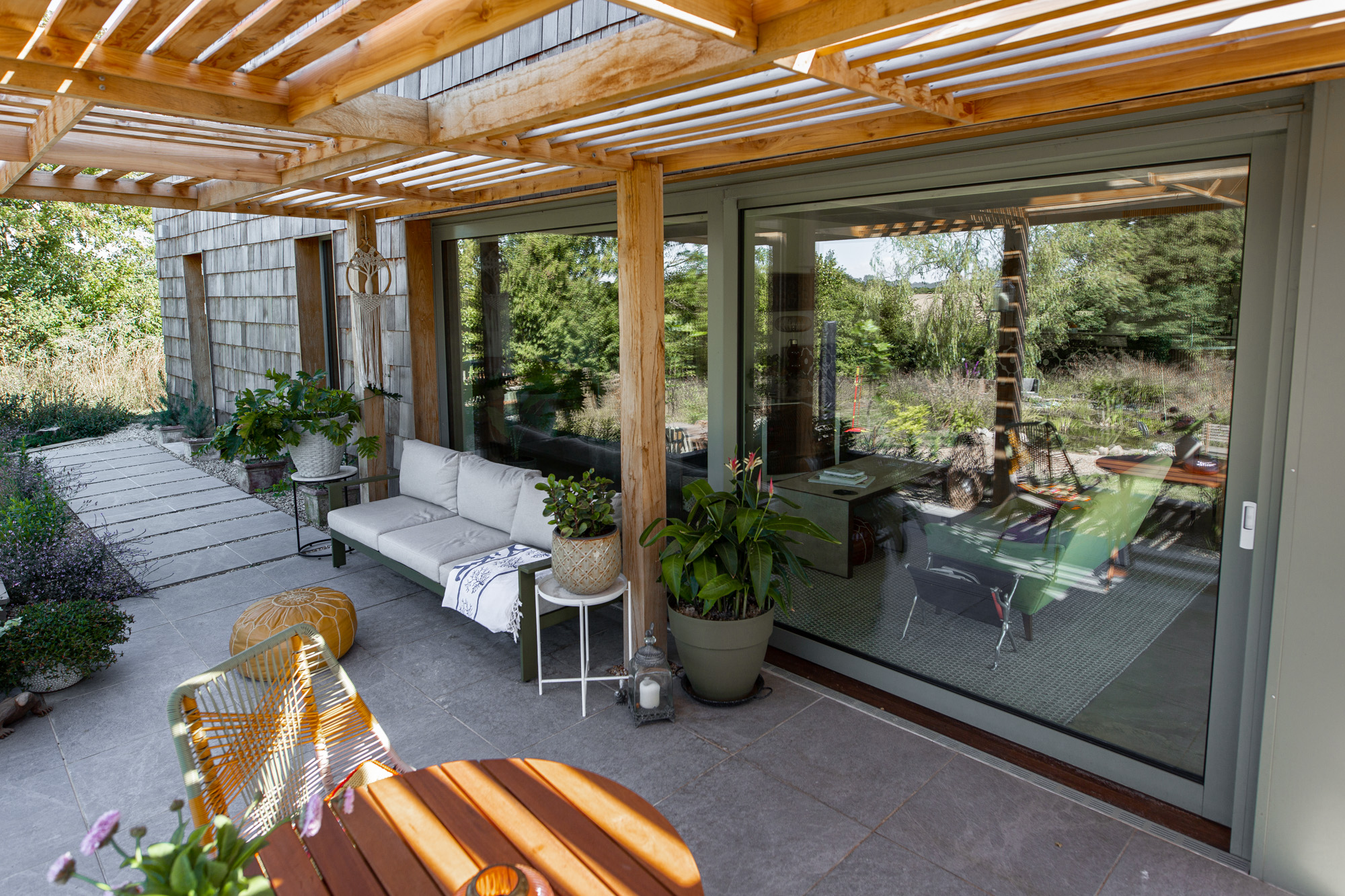
As UK summers get hotter, are our homes designed to cope with the temperatures?
For decades, homes across the UK have been designed with one primary goal: keeping warmth inside during the colder months. Improved insulation, airtight construction and energy-efficient windows have dramatically reduced heat loss, lowering energy bills and improving comfort.
However, with our climate changing, summers are becoming hotter and heatwaves more frequent. Keeping homes cool is becoming just as important as keeping them warm in winter.
Homeowners are looking for ways to make their homes more comfortable during periods of extreme heat. Searches for homes with air conditioning have more than tripled since the 2022 heatwaves*, while demand for domestic air conditioning installations continues to grow.
While air conditioning can provide immediate relief, it’s only one part of the solution. The most comfortable, energy-efficient homes are designed to minimise overheating in the first place. Factors such as window specification, solar gain, ventilation, shading and insulation all work together to create a stable indoor environment, reducing the need for mechanical cooling.
This is changing the way homeowners, architects and developers think about windows.
Why are UK homes overheating?
Overheating isn’t caused by one factor alone. It’s usually the result of several elements working together, including:
- Increased outdoor temperatures
- Large areas of south- or west-facing glazing
- Poor ventilation
- Limited external shading
- Older windows with poor thermal performance
- Highly insulated, airtight homes without sufficient summer ventilation strategies
While modern homes are significantly more energy efficient than older properties, good design must balance winter warmth with summer comfort.
Preventing overheating in existing homes
Many UK homes still have single glazing or early-generation double glazing, making them less efficient throughout the year.
Although replacing windows won’t eliminate overheating on its own, upgrading to high-performance triple glazing can make a significant contribution to overall comfort.
Benefits include:
- Improved thermal insulation
- Reduced unwanted heat transfer
- More consistent indoor temperatures
- Greater energy efficiency during winter
- Enhanced acoustic insulation
- Increased comfort throughout the seasons
For the best results, window upgrades should be considered alongside:
- Appropriate shading, such as window film, blackout blinds or shutters
- Effective natural ventilation
- Roof insulation where required
- Thoughtful landscaping to reduce solar gain
Rather than relying solely on mechanical cooling, these measures help create homes that remain comfortable using passive design principles wherever possible.
How triple glazing supports year-round comfort
Many people associate triple glazing with cold climates. But in reality, high-quality triple glazing improves comfort in every season.
By reducing heat transfer through the window, premium triple-glazed units help maintain a more stable internal environment. Depending on the specification, glazing can also be selected to manage solar gain, making it easier to balance daylight, views and indoor comfort.
The result is a home that performs better during both winter and summer.
Part O: How building regulations are changing window design for new builds
One of the biggest changes affecting new residential developments is Approved Document O (Part O).**
Introduced to reduce the risk of overheating, Part O encourages designers to consider how homes will remain comfortable during warmer weather without relying on air conditioning.
Rather than limiting window sizes, Part O requires overheating to be assessed through simplified guidance or dynamic thermal modelling.
This has shifted the conversation away from simply maximising glazing towards optimising it.
The end of “more glass”?
Large areas of glazing remain a defining feature of contemporary architecture, but they now require greater consideration.
Design teams increasingly evaluate:
- Building orientation
- Solar gain
- Window specification
- External shading
- Cross ventilation
- Passive cooling strategies
Large glazed elevations can still be achieved successfully, but only when they form part of an integrated building design.
Window performance matters more than ever
Windows are among the most technically demanding components of any building envelope.
High-performance windows contribute to:
- Lower heating demand
- Improved thermal comfort
- Reduced condensation
- Better acoustic performance
- Long-term durability
- Enhanced sustainability
Choosing the right window system is increasingly about whole-life performance rather than initial cost alone.

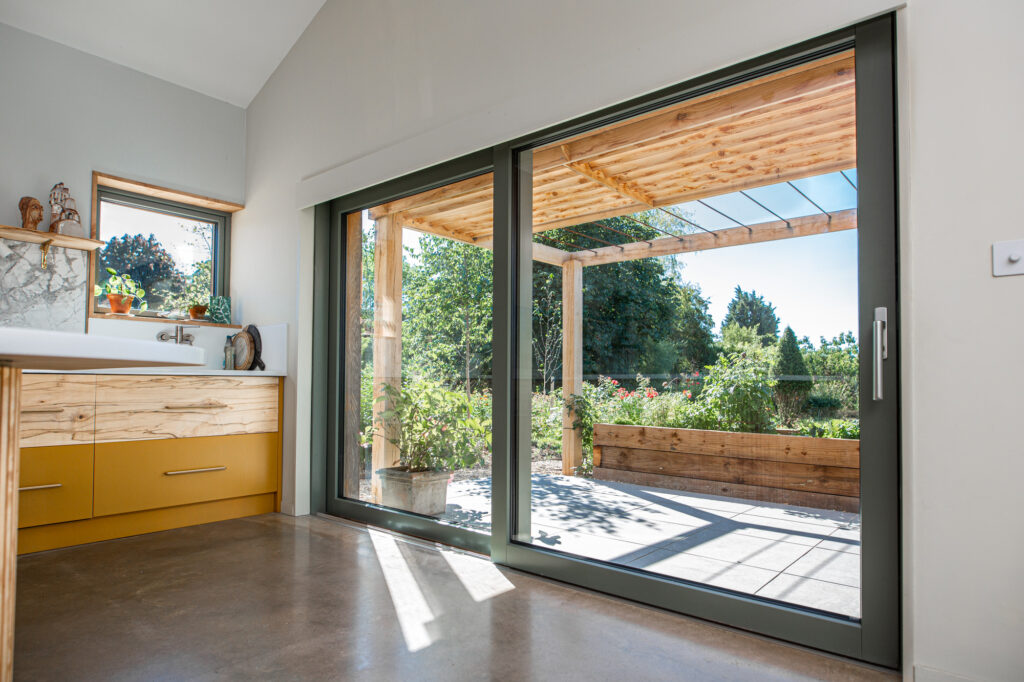
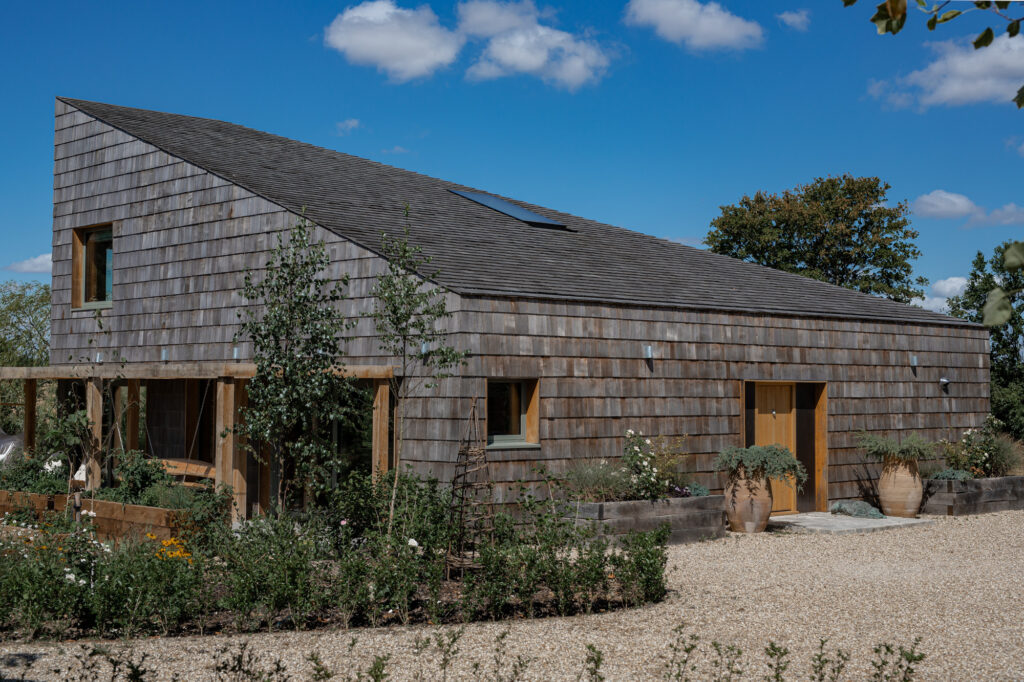
Cedar House in Suffolk was designed to passive house standards, using triple-glazing and sun shading, plus natural planting to alleviate solar gain



Swedish windows designed for a changing climate
At Westcoast Windows, our composite windows are manufactured in Sweden, where buildings are designed to withstand demanding climatic conditions.
That heritage translates perfectly to modern UK homes.
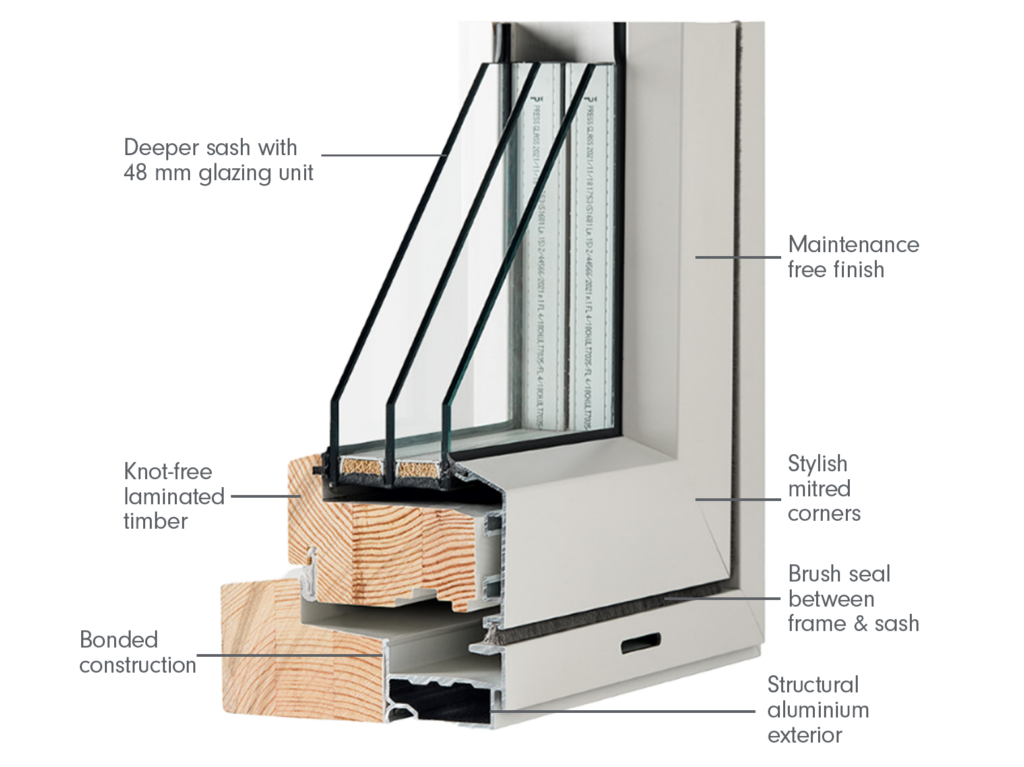
Our composite window systems combine:
- Excellent thermal performance
- Durable timber and aluminium construction
- Low maintenance
- Long service life
- Contemporary and traditional styling options
- Outstanding energy efficiency
As the UK’s climate continues to evolve, investing in high-quality windows helps create homes that remain comfortable, efficient and resilient for decades to come.
* https://www.rightmove.co.uk/press-centre/searches-for-homes-with-air-conditioning-triple-in-year
** https://www.gov.uk/government/publications/overheating-approved-document-o
START YOUR PROJECT
Get in touch with our UK-based team to plan your next project.

