
Guide to choosing composite windows for your home or project
If you’re choosing new windows for your home or specifying them for a building project, you may have come across the term composite windows. But what exactly does it mean, and how do composite windows differ from traditional timber, aluminium or aluminium-clad windows?
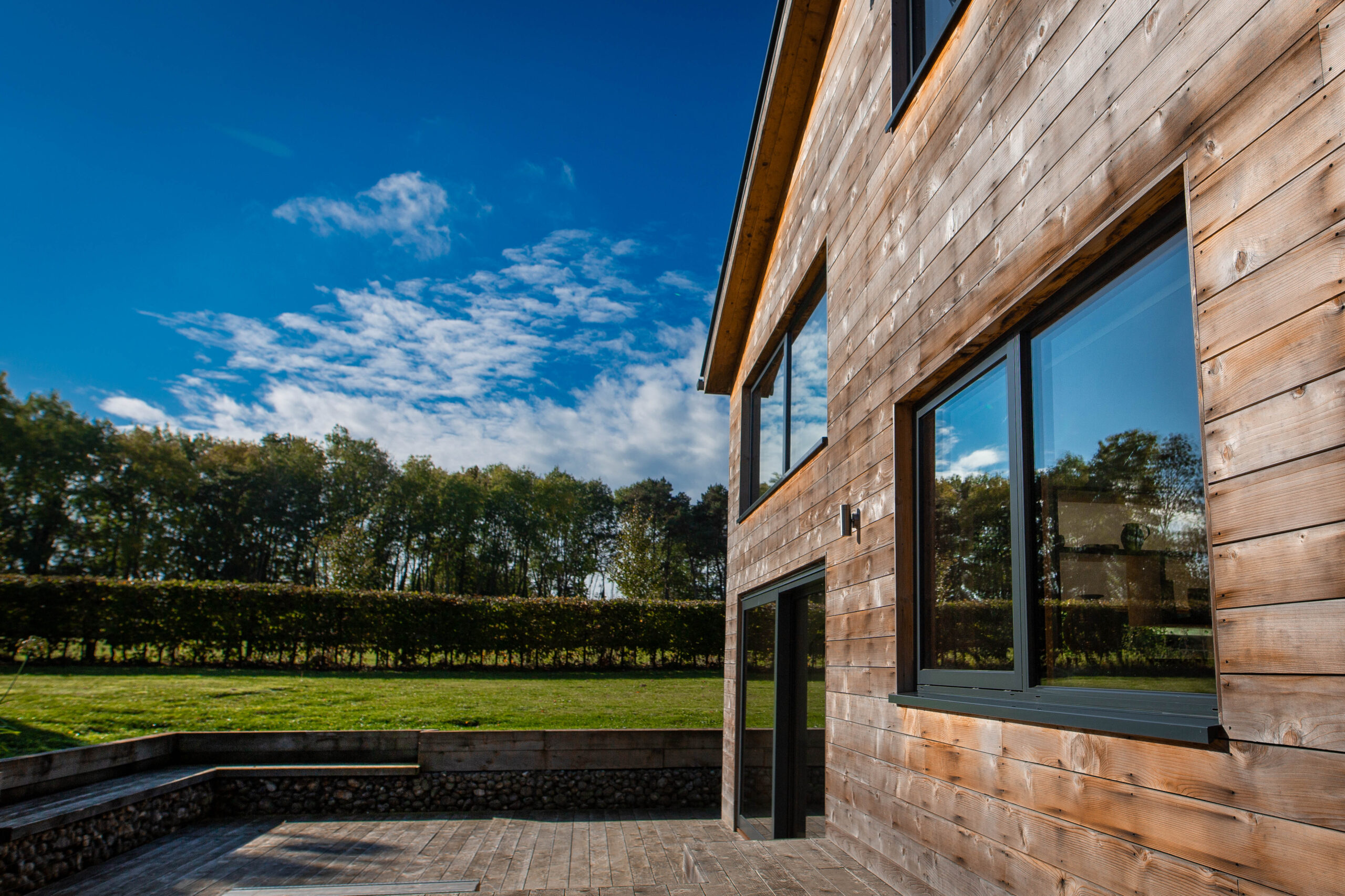
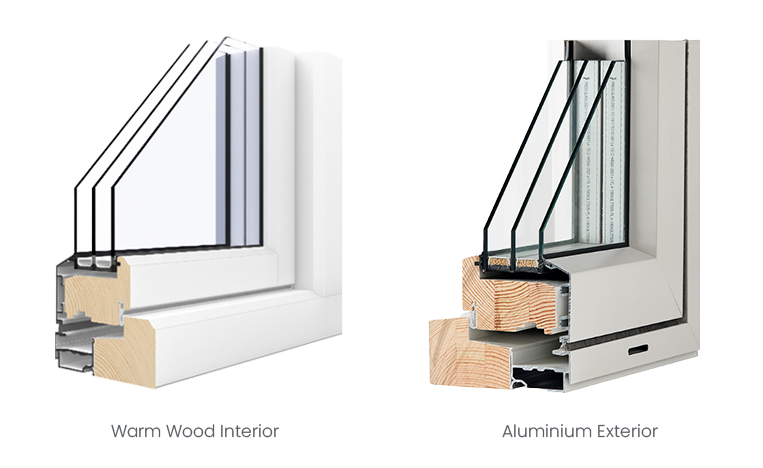
Composite windows combine different materials within one window system to take advantage of the strengths of each. Westcoast composite windows bring together timber on the inside and aluminium on the outside, creating windows that offer the warmth and natural character of wood internally with a durable, low-maintenance aluminium exterior.
Designed and manufactured in Sweden to perform in demanding Nordic conditions, this combination makes Westcoast composite windows particularly well suited to the UK climate — delivering a balance of performance, durability, design and long-term practicality for homes and larger building projects alike.
What is a composite window?
The term composite window can cover different forms of construction, so understanding exactly what sits behind the specification is important.
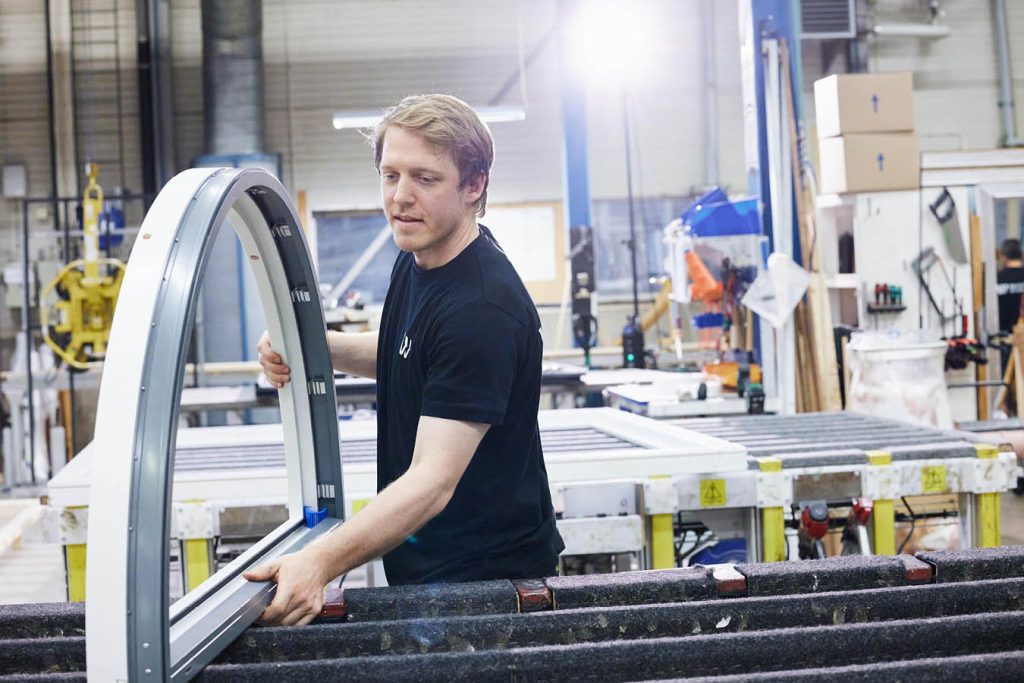
A Westcoast composite window combines aluminium and timber to create a single window construction designed to benefit from the characteristics of both materials.
The timber provides warmth, natural insulating performance and an attractive internal finish, while the powder-coated aluminium exterior creates a durable, weather-resistant outer surface requiring minimal maintenance.
Westcoast uses a bonded aluminium and timber composite construction. The high-density timber inner section is bonded to the aluminium outer section rather than simply being covered by a clipped-on aluminium facing – which is an important distinction.
Composite vs aluminium-clad windows: two approaches to aluminium and timber
Both composite and aluminium-clad windows combine the benefits of two complementary materials: the durability and weather resistance of aluminium externally, with the warmth, natural character and insulating properties of timber internally.
The main difference is how the aluminium and timber are incorporated into the window construction.
Bonded aluminium timber composite windows
In a bonded composite window, the timber and aluminium form integral parts of the window construction. Westcoast’s Swedish-manufactured composite windows use a high-density timber inner section bonded to a powder-coated aluminium outer section.
This creates a robust construction designed to protect the timber from external weather conditions while delivering excellent thermal performance, durability and low maintenance.
For architects and specifiers, bonded composite windows can be particularly well suited to projects where long-term performance, resilience and design flexibility are key considerations.
Aluminium-clad timber windows
Aluminium-clad, sometimes referred to as wood/aluminium, windows use a timber window construction with a protective aluminium exterior.
This approach combines the natural appearance and insulating qualities of timber with the durability and low-maintenance benefits of aluminium externally.
Modern aluminium-clad systems can also offer excellent thermal performance and particularly slim frame profiles, helping maximise the glazed area and increase natural daylight. This can make them an attractive option for contemporary architectural projects where sightlines, daylight and energy performance are important design considerations.
Choosing the right solution
There is no single construction that is right for every building. The best solution depends on the priorities of the individual project.
Bonded composite construction can offer the benefits of an integrated, highly durable frame, while aluminium-clad timber systems can provide excellent performance alongside very slim profiles and strong architectural flexibility.
For building professionals, the important consideration is to assess the complete window system – including thermal and weather performance, glazing, sightlines, opening configurations, maintenance requirements, finishes and the intended architectural expression.
Westcoast can work with architects, contractors and developers to identify the most appropriate aluminium timber window solution for each project, balancing performance, aesthetics, longevity and budget.
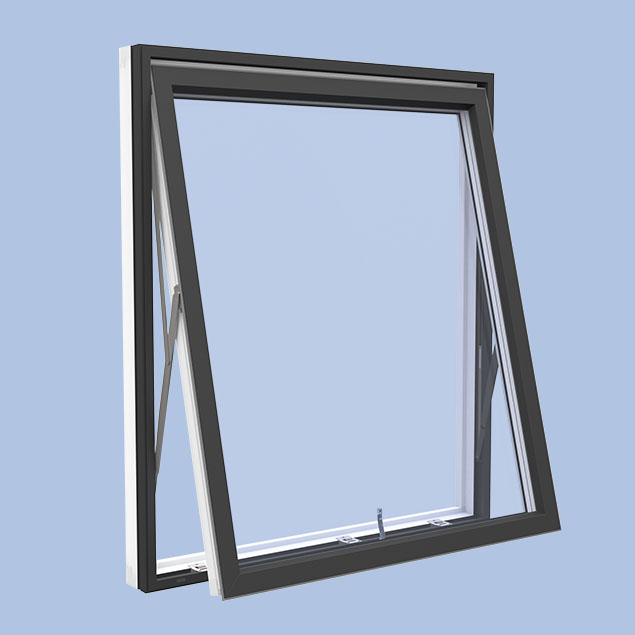
Why combine aluminium and timber?
For architects and building professionals, the attraction of composite construction is straightforward: the two materials perform different jobs.
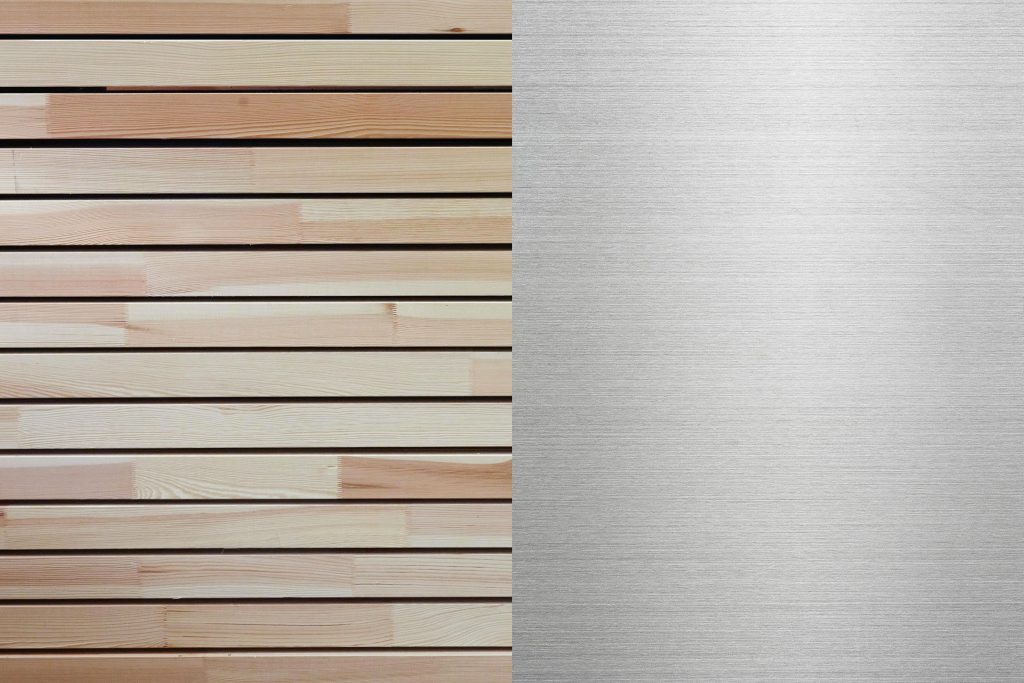
Aluminium externally
- The external aluminium surface provides a robust first line of defence against the elements.
- Its powder-coated finish is available in a wide choice of colours, allowing window systems to coordinate with façades, roofing, cladding and wider architectural palettes.
- Unlike exposed painted timber, it does not require regular repainting. This can be particularly valuable on larger residential and commercial developments where future access and maintenance should be considered as part of the specification.
Timber internally
- Internally, timber provides a warmer material and aesthetic.
- Westcoast windows use high-density, slow-grown, knot-free laminated timber sourced from sustainable forests. Pine is standard, with alternatives such as oak available.
- The timber can be clear lacquered, stained or painted, giving architects considerable flexibility over the relationship between the window and the interior architecture.
- The result is a window that can present a clean, contemporary aluminium appearance externally without sacrificing the character and warmth of real timber internally.
Built in Sweden. Ideal for the UK climate.
Westcoast Swedish composite windows, doors and sliding doors have been developed in an environment where performance is the priority – manufactured on the west coast of Sweden and engineered to withstand demanding Scandinavian weather conditions.
This philosophy translates naturally to UK projects.
Winters of wind and driving rain, offset by fluctuating temperatures and hotter summers, all place increasingly demanding expectations around building performance and the building envelope. Specifying a window developed for a harsh climate provides confidence that durability has been considered from the beginning rather than added as an optional extra.
For almost 30 years, Westcoast has supplied this Swedish approach to projects ranging from individual homes to major residential, education, arts, leisure and commercial developments.
Specify Westcoast for your next project
If you’re considering aluminium timber composite windows for a new development, refurbishment or commercial project, speak to the Westcoast professional team early in the design process.
We can help with product selection, window configurations, glazing, finishes, performance requirements, budgeting and project planning – giving you the technical information you need to develop the right specification.
CONTACT our UK-based team about your next project or explore our technical downloads, product information and commercial case studies.
START YOUR PROJECT
Get in touch with our UK-based team to plan your next project.


